




Berkeley scientists take a closer look at CO2.
Although most people realize global warming is threatening the environment, it’s tough to understand the exact impact on our lives. Berkeley chemistry professor Ronald Cohen hopes to change that by zooming in on what’s going on right in our back yards. “We don’t need more measurements of CO2. There are enough of those. But what we don’t have is how CO2 levels are changing community by community,” Cohen says. Taking a regional view of climate change allows scientists to figure out whether policy is actually changing emissions.
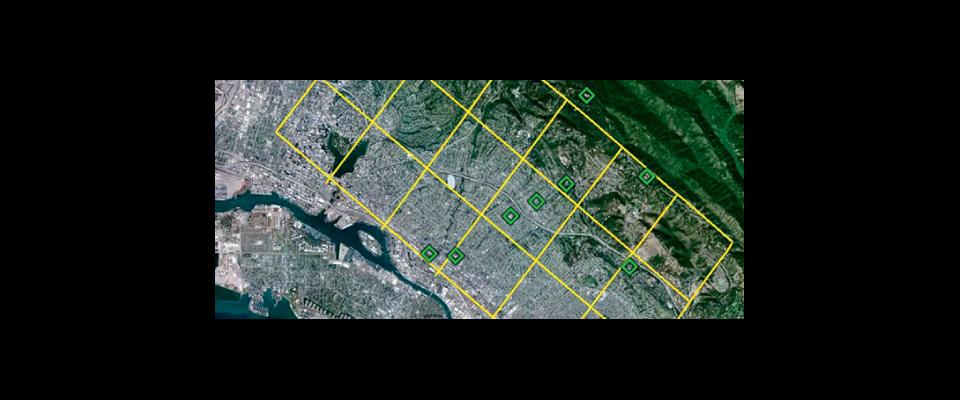
For Cohen, along with graduate student Virginia Teige, the answer may lie in localized data—and lots of it. “Millions of data points,” says Teige. The two are heading up a new program called The Berkeley Atmospheric CO2 Observation Network (or BEACON). The program’s goal is to create a real-time map of the atmosphere allowing researchers to track individual sources of emissions, such as highways, over time. BEACON will eventually consist of about 40 gray metal, backpack-size sensors installed on the roofs of schools and other buildings throughout the East Bay, spaced just over a mile apart. The relatively inexpensive sensors (about $5,000 each) will record concentrations of CO2 and other greenhouse gases every five seconds, then send that data to a server back at Berkeley. The information gathered by the sensors will also be used to develop a K–12 educational program, devised with the help of Oakland’s Chabot Space and Science Center.
Right now, about a quarter of the sensors are up and running, largely problem-free. The goal, Teige says, is to have the sensors send consistent data indefinitely, with as little maintenance as possible. Ideally, Cohen says, the network will identify long-term trends, which could be used to determine the efficacy of state and local regulations aimed at mitigating human causes of climate change.
Once Cohen and Teige feel confident the program is operating smoothly, they hope it will become a model for similar networks in other major urban areas, which produce about a third of the world’s anthropogenic CO2 emissions. “It’s a project people are watching,” Teige says.