



Can one of the state’s most critical ecological resources be saved?
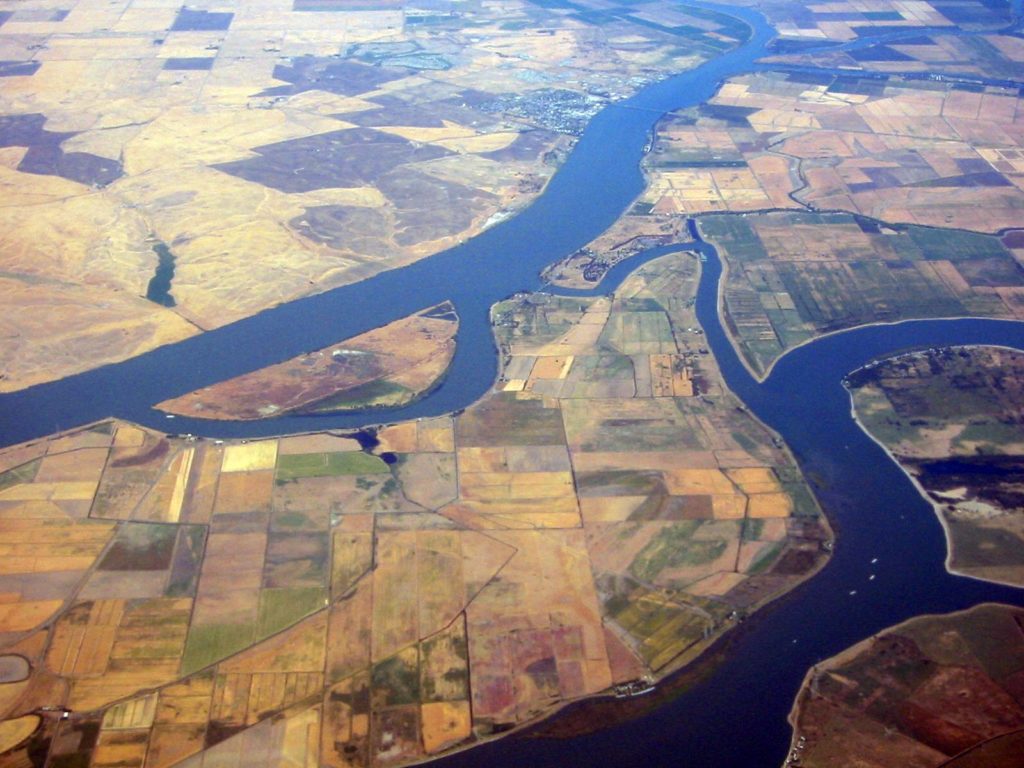
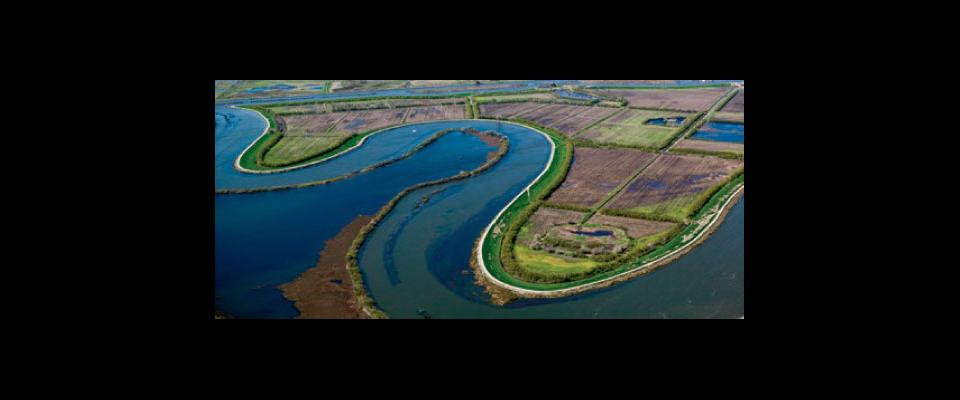
Berkeley engineering professor Ray Seed, arguably the nation’s greatest authority on levees, has one word to describe the risk to the people, farms, and ecological systems dependent on the Sacramento-San Joaquin River Delta: Armageddon. A serious earthquake or flood could indefinitely threaten the water supply for 23 million Californians, north and south, and cripple the most productive agricultural region in the world.
The Delta’s dirt-packed levees, many over a hundred years old, are at least as vulnerable as the New Orleans levees breached during Hurricane Katrina. Water diversion has already landed the area’s bellwether species, delta smelt, on the government’s list of threatened species. And climate change greatly exacerbates the risks: A warmer Sierra produces lighter but also earlier runoff from the snowmelt, increasing the danger of both drought and flood to the area, including Sacramento itself. A rise in sea level from melting ice sheets would force salt water into vast regions of the Delta and Central Valley—flooding homes, destroying the freshwater ecosystem, and ruining the state’s primary water supply.
Despite earthquake and flood risks, new developments are still built willy-nilly on vulnerable Delta land. (The Delta-vicinity cities of Brentwood and Elk Grove, for example, grew by roughly 75 percent between 2000 and 2005.) These neighborhoods, many below sea level, are fundamentally unsafe. Should the levees fail, it’s taxpayers statewide, not the developers or homeowners, who are on the hook for untold billions to rescue and recover the land.
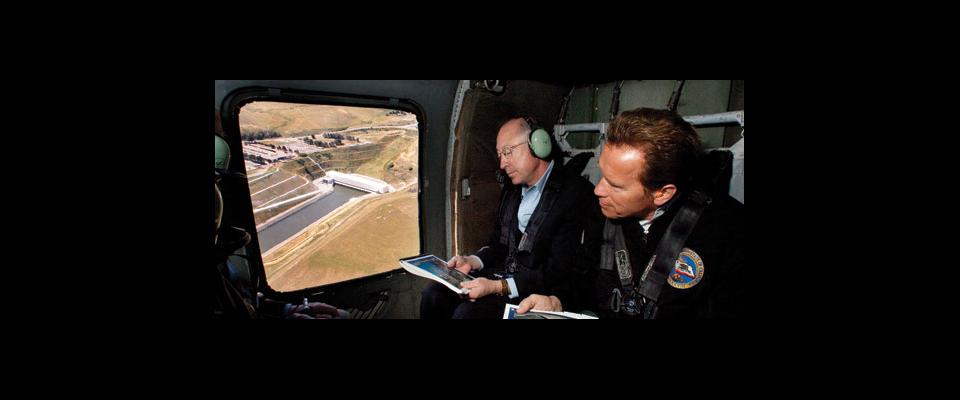
“The fundamental responsibility of government is not to put citizens in harm’s way,” says Richard Frank, director of Boalt’s California Center for Environmental Law and Policy. He is also a member of a blue-ribbon commission appointed by Governor Arnold Schwarzenegger to create recommendations for the Delta’s long-term health. The first order of business, Frank believes, is to “draw a line in the peat”—to stop further urbanization of fragile areas now. The commission has agreed to 12 guidelines, foremost among them protection of the state’s water supply and the Delta ecosystem, and is expected to issue a roadmap for the region’s future in October.
At the College of Environmental Design, professors and students have created a project, “ReEnvisioning the Delta,” to create positive alternatives for the region. They’ve generated comprehensive plans to preserve or restore the Delta’s environmental integrity and ecosystem services, its agricultural and recreational uses, and its historic character. The project’s fundamental vision is of a kind of conservancy—professor Matt Kondolf calls it the “Central Park” of California—with parkland, restored wetlands, farms, bike trails, and river byways for boating and fishing.
Pie in the sky? The public’s post-Katrina awareness of the threat gives Kondolf and Frank hope that the Delta can and will be saved.