

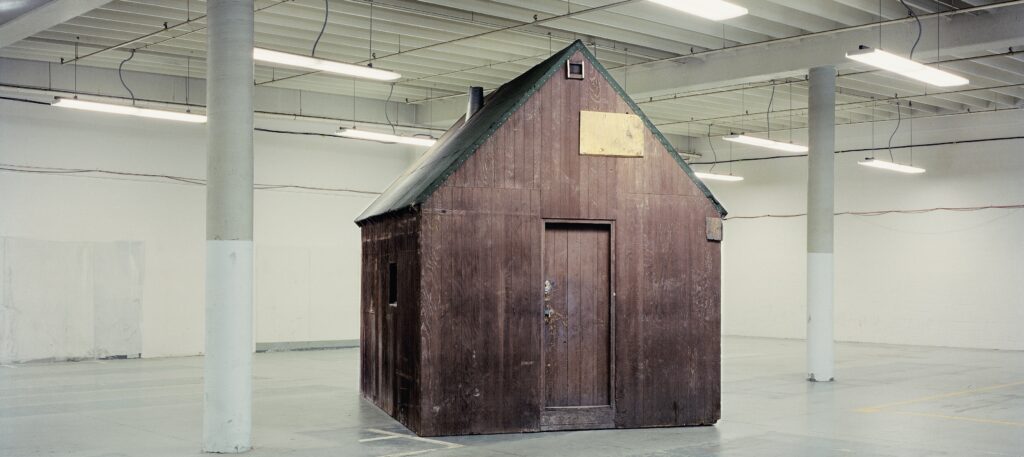
The Man Who Shot the Unabomber’s Cabin
By Leah WorthingtonThe hideout was evidence, a symbol, and in Richard Barnes’s photos, art.

Subscribe to our monthly email newsletter, The Cal Connection.

The hideout was evidence, a symbol, and in Richard Barnes’s photos, art.

Robots can do a great many things, but they can’t make art. That view, common even among AI boosters, has taken a hit.
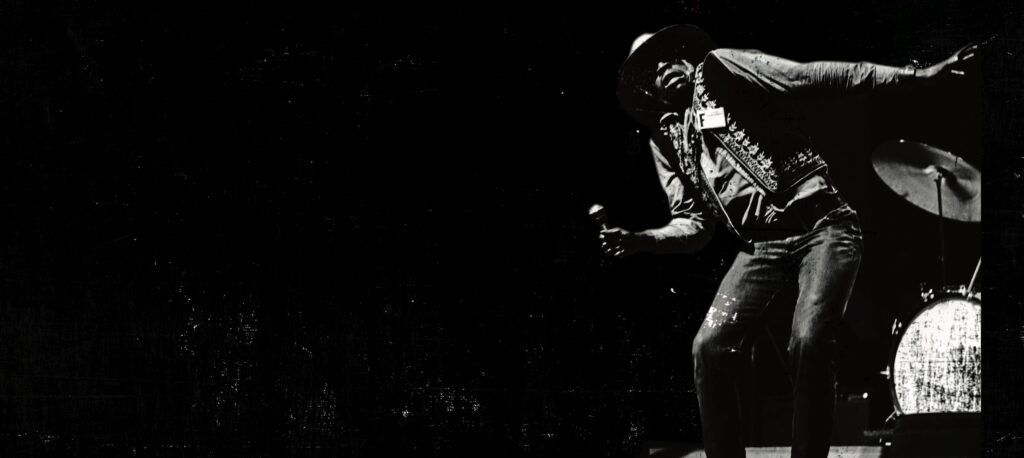
While music may not be the first thing most people think of when they think of Berkeley, both the campus and town have been home to an enormously influential and eclectic music scene across the years, one with deep roots in the folk and blues revivals of the mid-20th century.
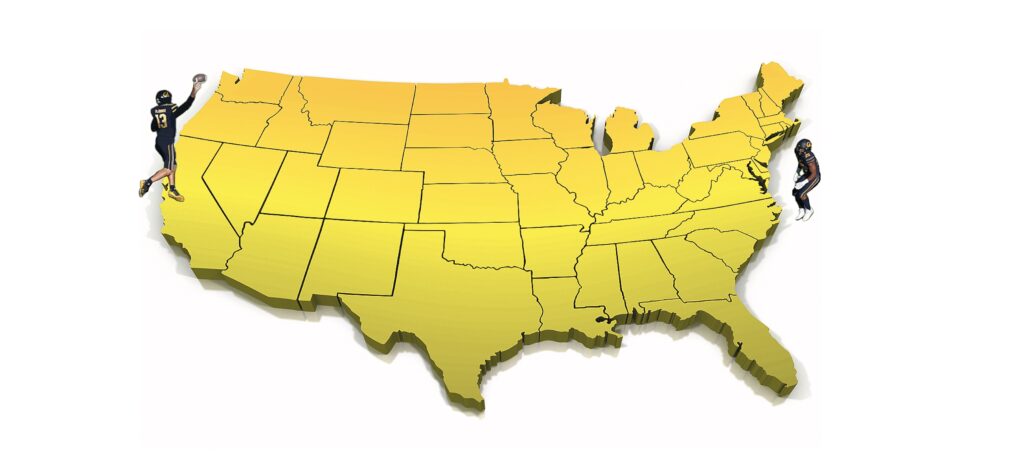
The Bears’ new conference is all the way across the continent.
In late January of 1958, five of America’s most renowned writers converged in a repurposed frat house just off the Berkeley campus for what promised to be a long, strange weekend.
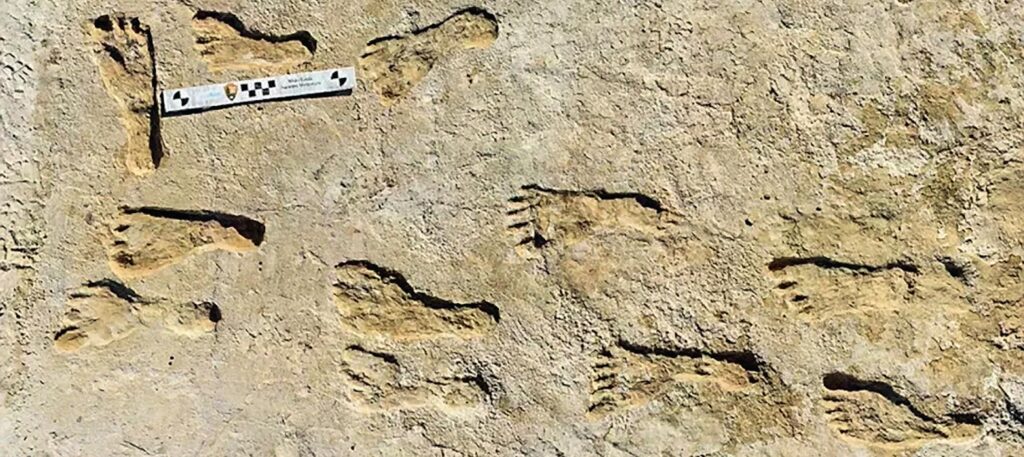
According to what has long been the dominant theory, the first humans to settle North America arrived via the Aleutian land bridge from Asia sometime between 16,000 and 13,000 years ago, after Ice Age glaciers receded.
It was a new wrinkle in a bombshell story. Not one, but two superstar researchers appear to have independently faked data for two separate, highly publicized studies about (irony of ironies!)

Metal organic frameworks offer solutions to "the greatest problems facing our planet."
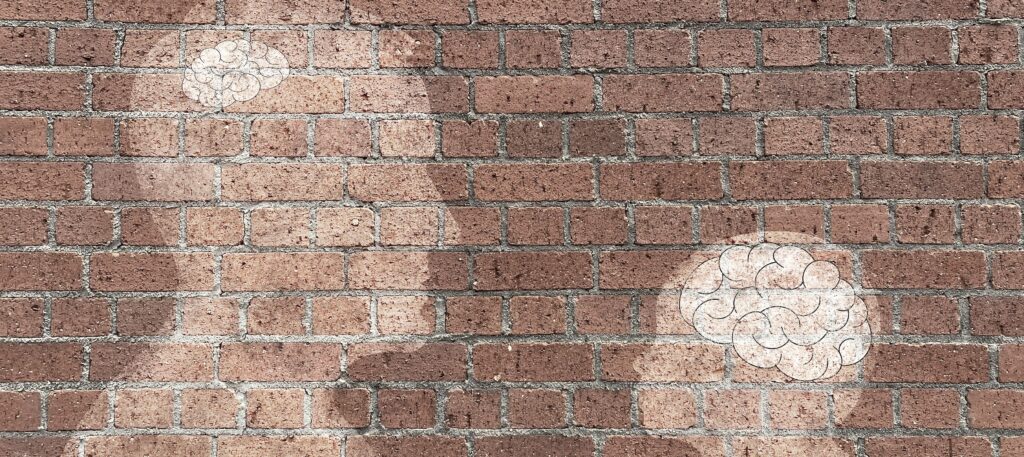
Using artificial intelligence software, Berkeley scientists successfully reconstructed the Pink Floyd song “Another Brick in the Wall” from recordings made of electrical activity in patients’ brains as they listened.
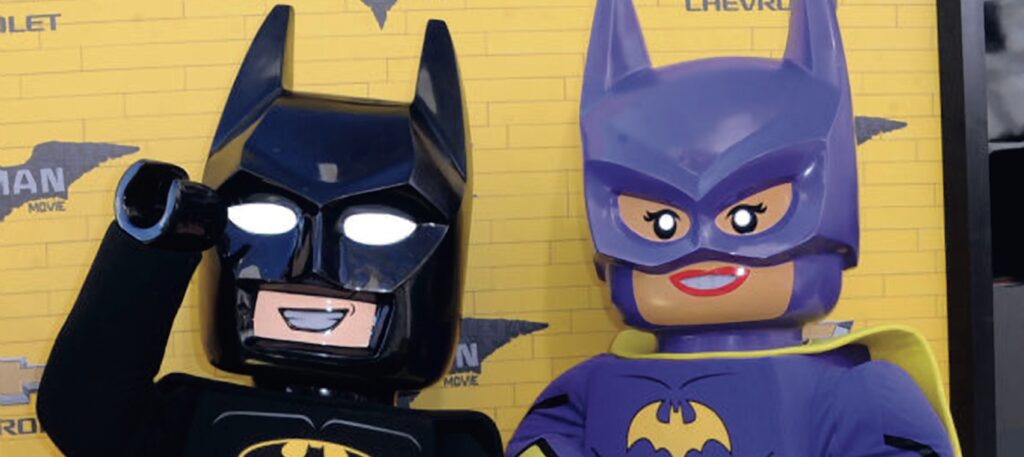
Bats, they’re just like us!
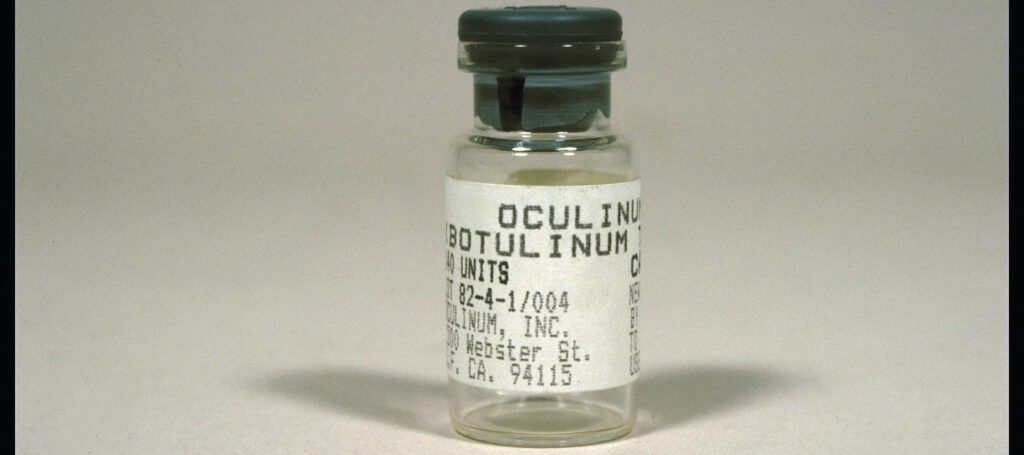
More things you never knew came from Cal
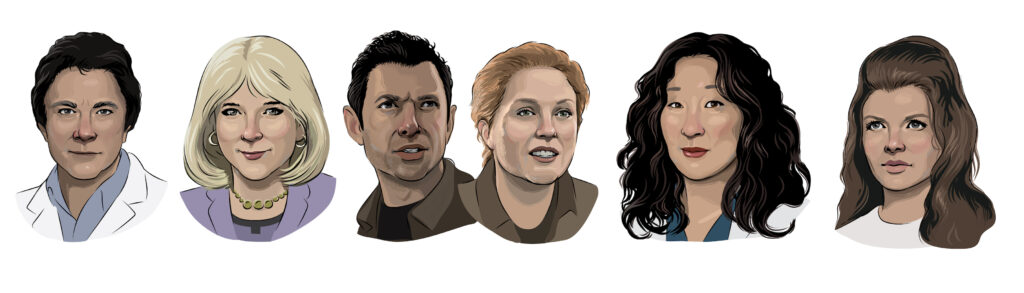
Fictional characters with Berkeley backgrounds
The New Yorker writer and author on his memoir of Berkeley
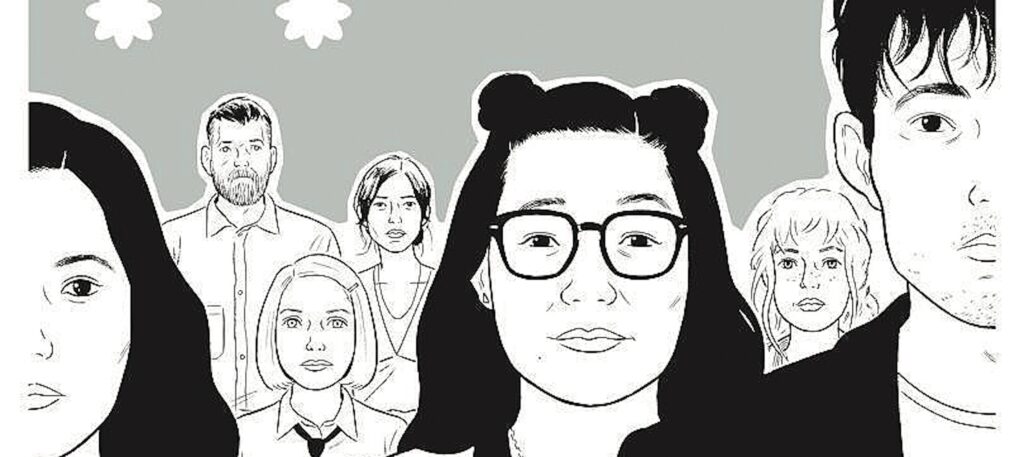
Fans of comics wunderkind Adrian Tomine may have rested easy upon seeing the film adaptation of his 2007 graphic novel Shortcomings this past summer.
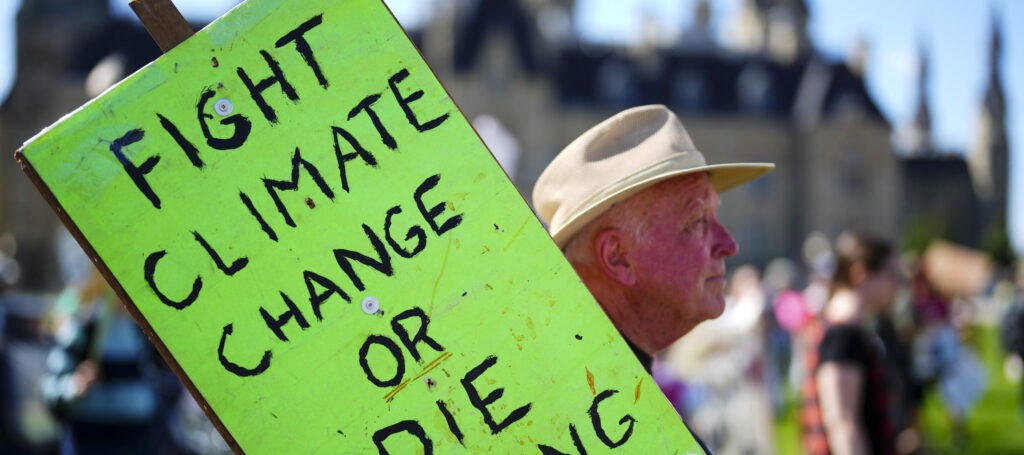
Goodell examines the most obvious effect of warming: Extreme heat.
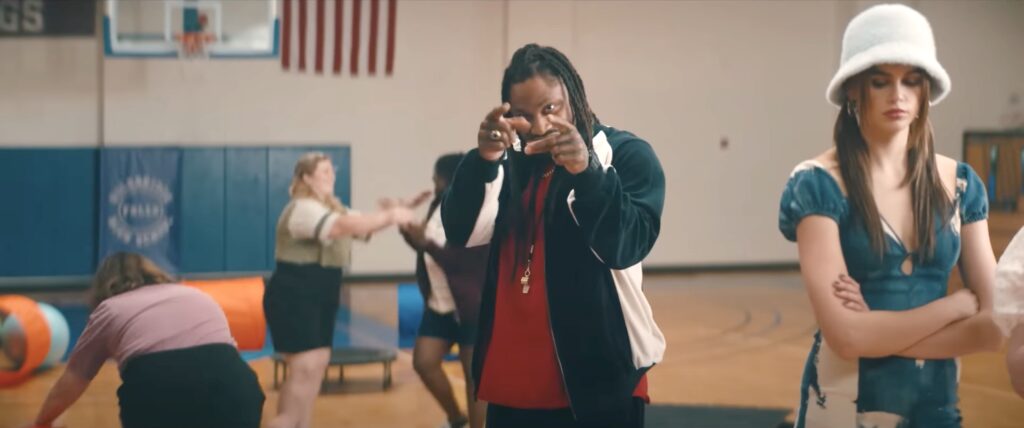
… and other Berkeley movies, books, and entertainment
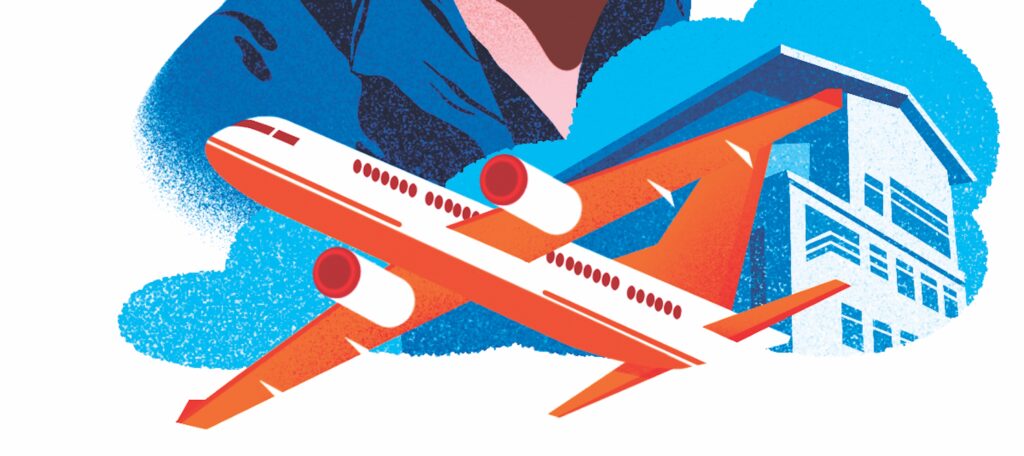
I really loved transportation growing up.
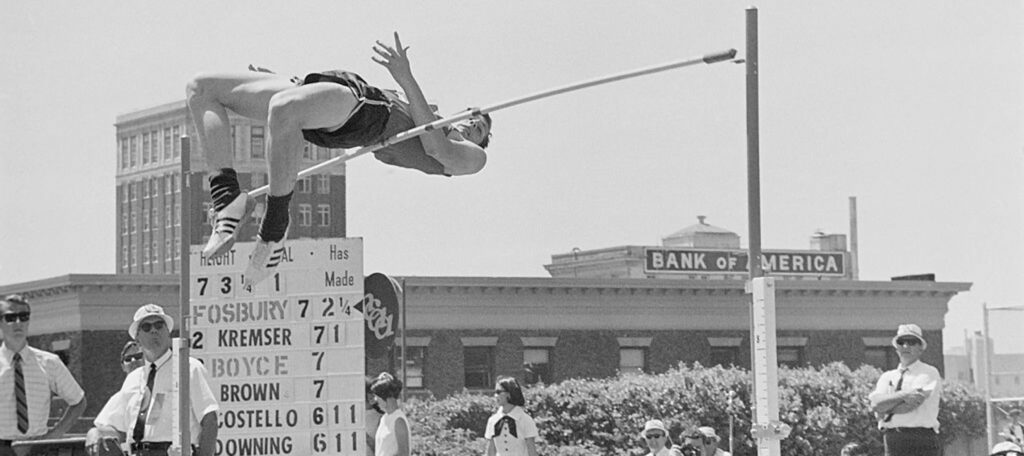
It may not say so on the cover, but the organizing theme of this issue is creativity—what it is, how it works, what it says about us as human beings.
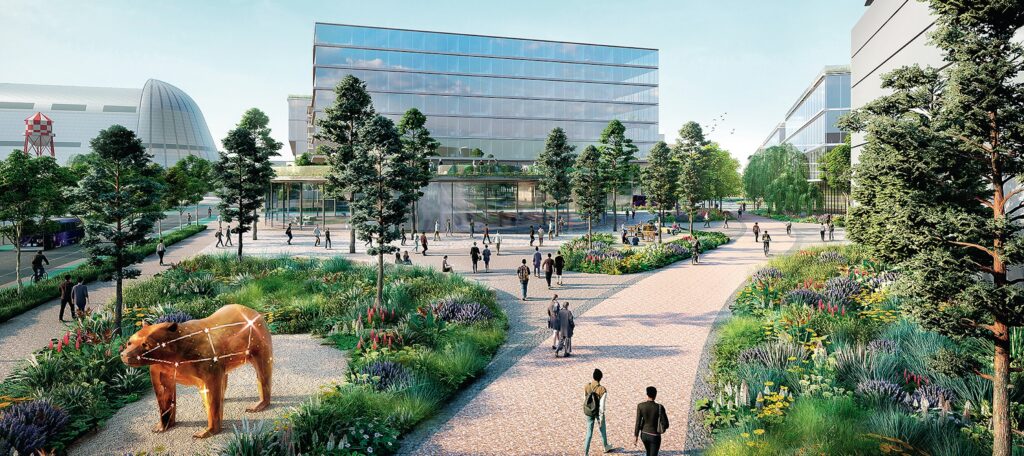
We have recently been reminded that creativity comes in packages large and small.