


Spotlight
By Anabel SosaBlind thinkers, scientists, and artists showing us the way.

Subscribe to our monthly email newsletter, The Cal Connection.
Blind thinkers, scientists, and artists showing us the way.
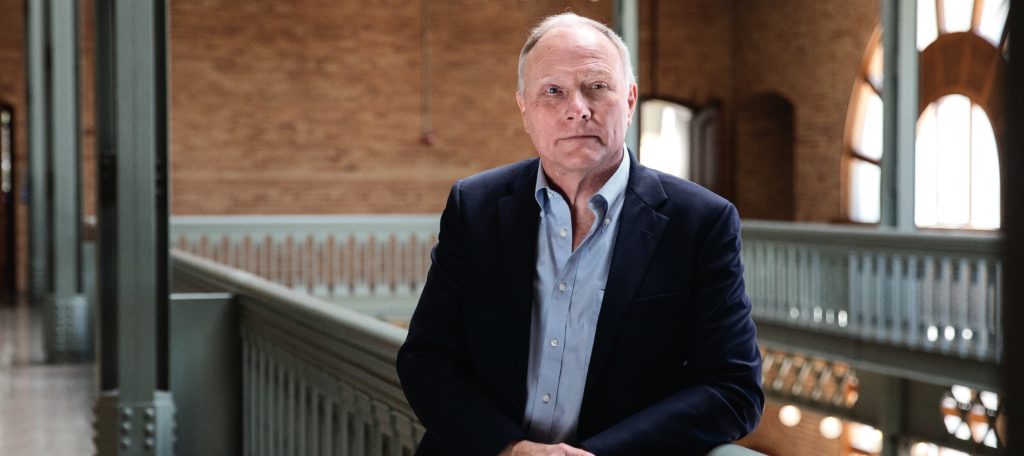
When Cal professor and labor economist David Card got the early-morning phone call from Sweden last October informing him that he’d won the 2021 Nobel Prize in economics, he thought it was a buddy back home in Ontario pulling his leg. “My old friend, Tim, who lives in Guelph, I thought it was one of his practical jokes,” Card told the Canadian news media.
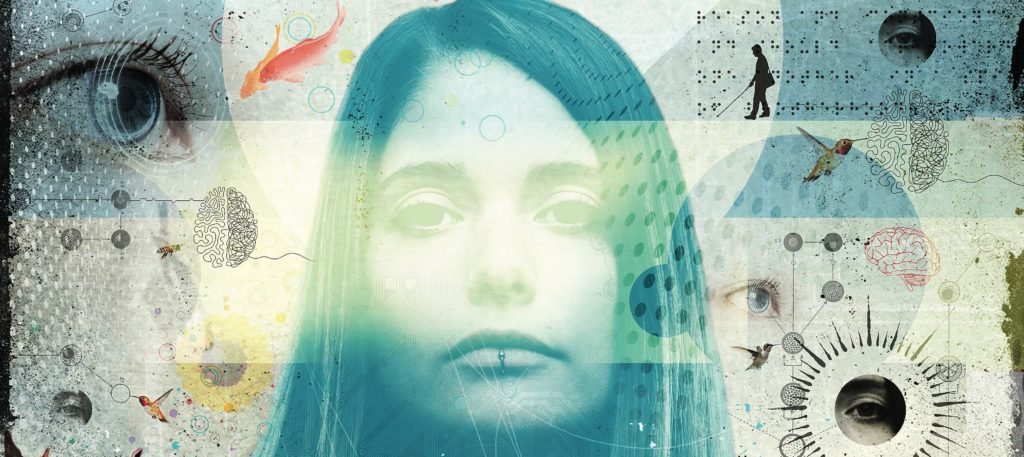
The paradox of blindsight might unlock the mystery of consciousness.
Two years into the pandemic, SARS-CoV-2 continues to defy predictions. At the date of this writing, the Omicron variant—as contagious as ultra-transmissible viruses such as measles, if somewhat less severe than earlier COVID variants—continues to spread rapidly. While the surge appears to be ebbing in some areas of the United States, hospitalizations remain high and, nationally, about 2,500 deaths are reported daily.
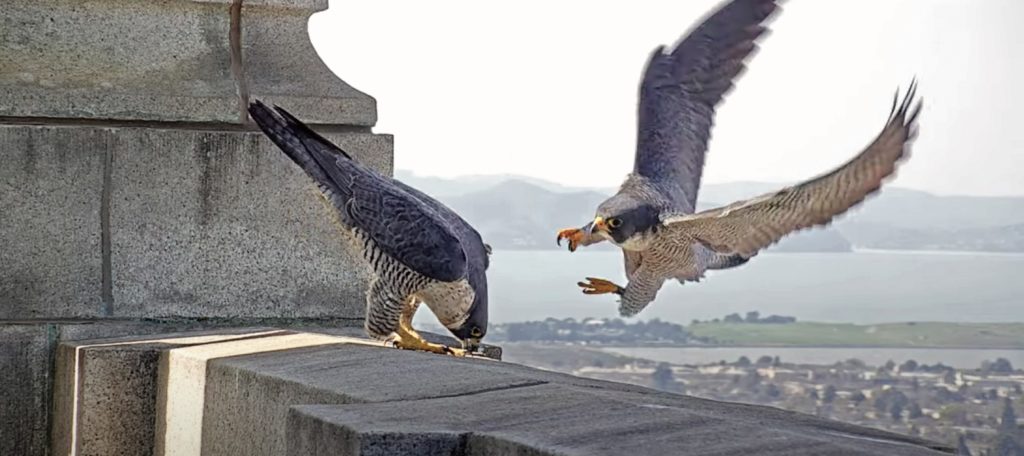
If Berkeley has a celebrity couple, it’s Annie and Grinnell, the peregrine falcons who alighted on the Campanile and have called it home since late 2016.
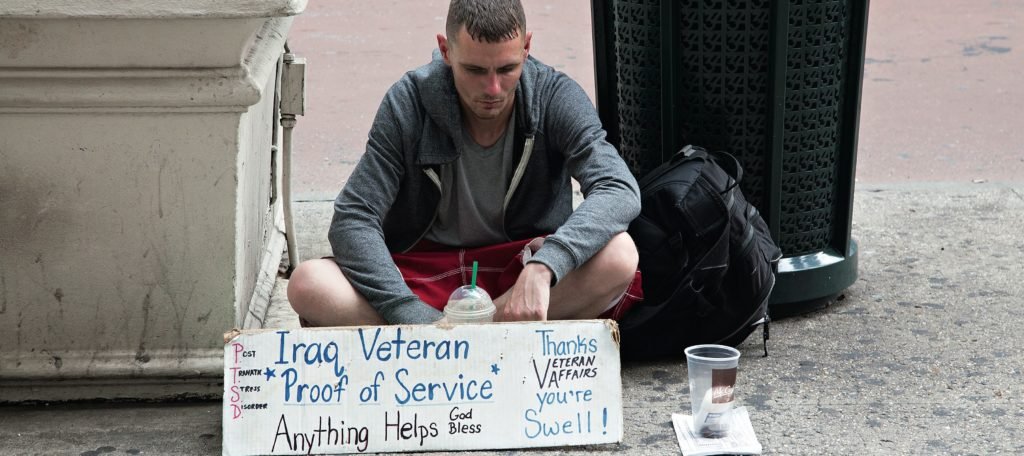
A study led by researchers from Berkeley and UCSF may help explain why some people are more resilient to traumatic stress than others and lead to possible therapies. Published in December in the journal Translational Psychiatry, the study found a link between increased myelination in the brain’s gray matter and post-traumatic stress disorder (PTSD).
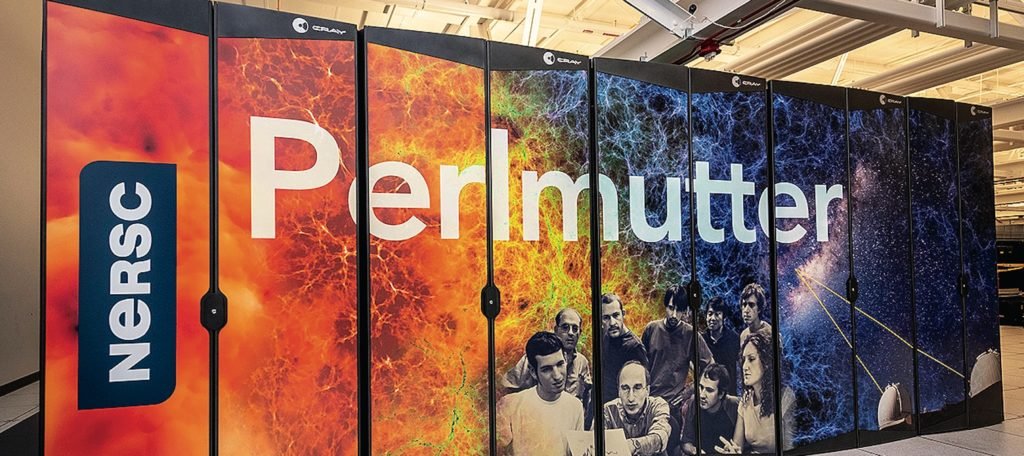
Named after Cal’s Nobel-winning cosmologist Saul Perlmutter, Ph.D. ’86, Berkeley’s newest supercomputer was launched in May 2021 by the National Energy Research Scientific Computing Center (NERSC) at the Lawrence Berkeley National Laboratory and hailed as one of the fastest ever. The next month, it ranked fifth on the coveted TOP500 list, the biannual record of the world’s most powerful commercially available supercomputers.
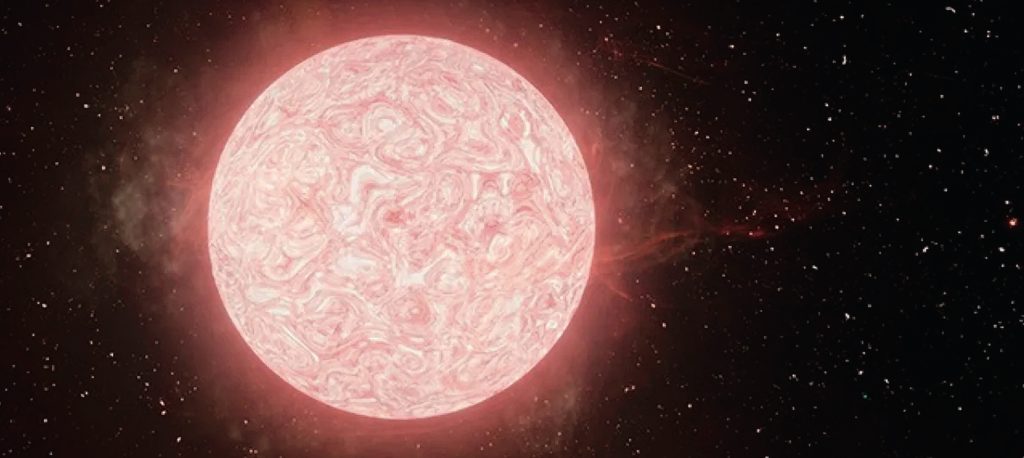
If a star dies in the universe and no one is around to see it, does it make an explosion? Scientists can now confirm that it does.
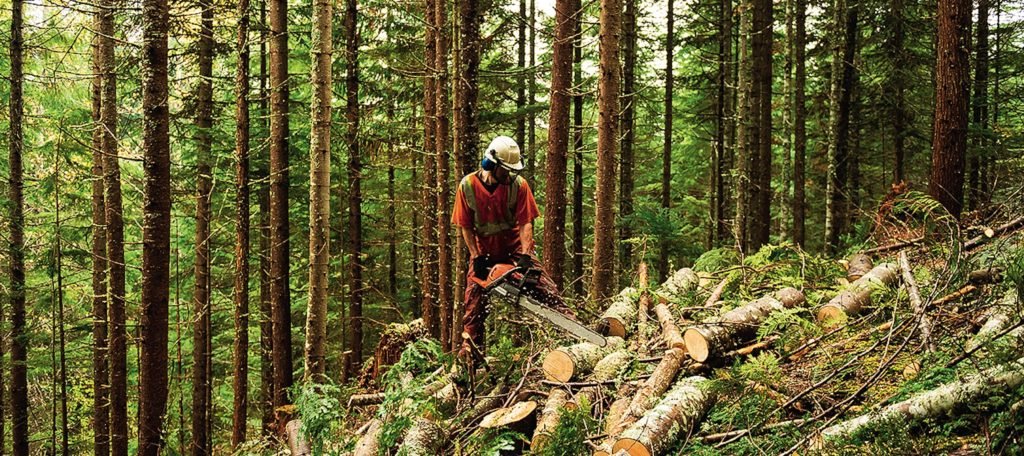
Amid a string of record-setting wildfire years in the state, California and the U.S. Forest Service have set an ambitious goal of “treating” 1 million acres of forest annually in order to reduce fire risk and increase forest resilience. It’s a costly proposition.

Writer Joan Didion, who graduated from Berkeley in 1956, died on December 23, 2021, at age 87. She will be remembered as one of the most distinctive voices not only of her generation but in all of American letters.
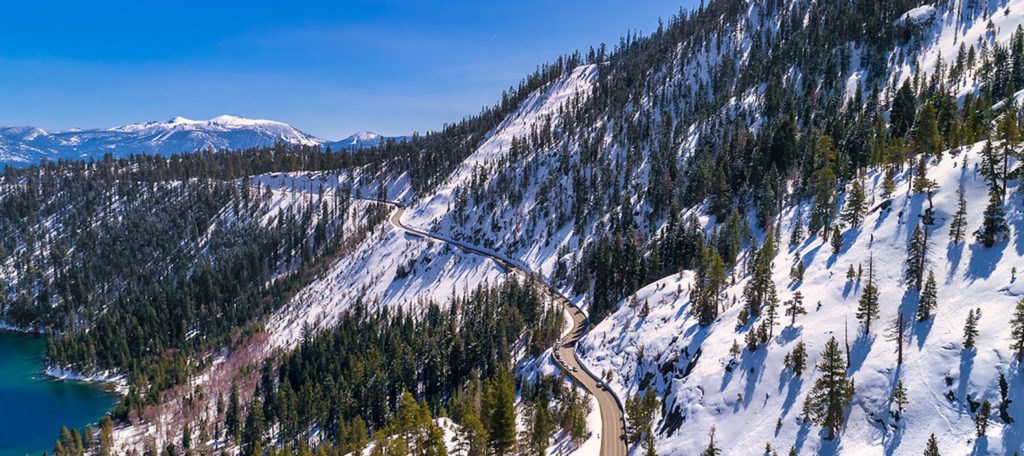
Despite the recent dump of snow, California and much of the West have been experiencing “a snow drought.” Is this the future? One study suggests so.

Here are a few of our favorite books, shows, and films by people from Berkeley.
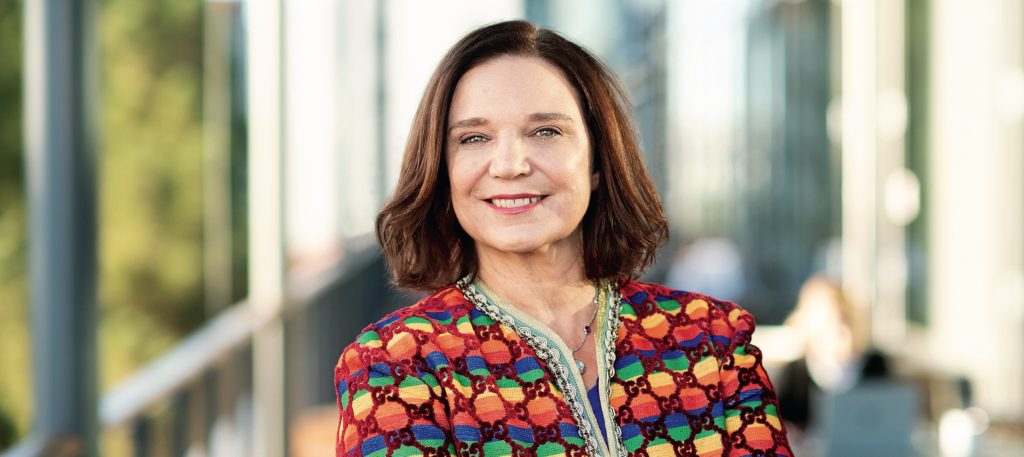
A conversation with Ann E. Harrison ’82, Dean and Professor, Haas School of Business
The National Lawyers' Guild, distributing basic necessities, and the uphill battle for transfer students.
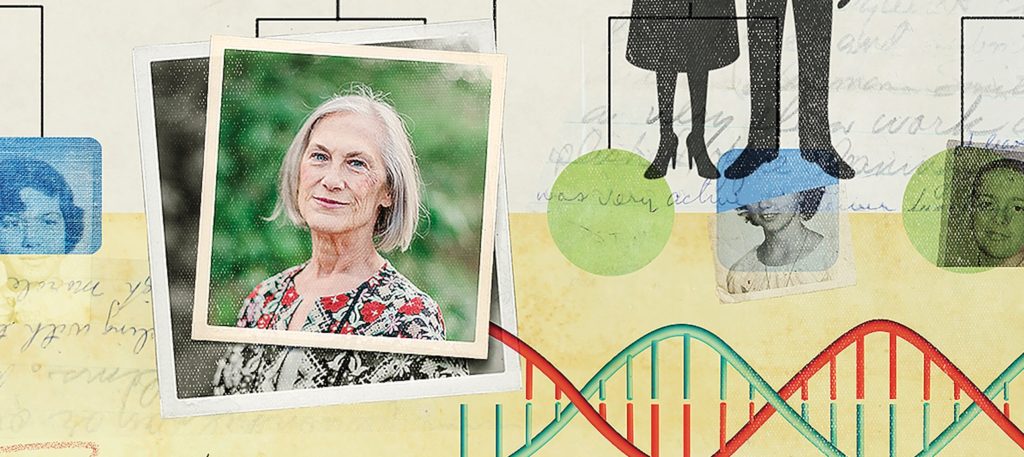
I was 66. It was 2018, and a friend of mine said she had done 23andMe. So I thought oh, what the hell.
Eyes open, eyes closed, it didn’t matter, I saw the same thing: an ant venturing deeper and deeper into a fern. Then somehow I became that ant, in the fern, going deeper and deeper.
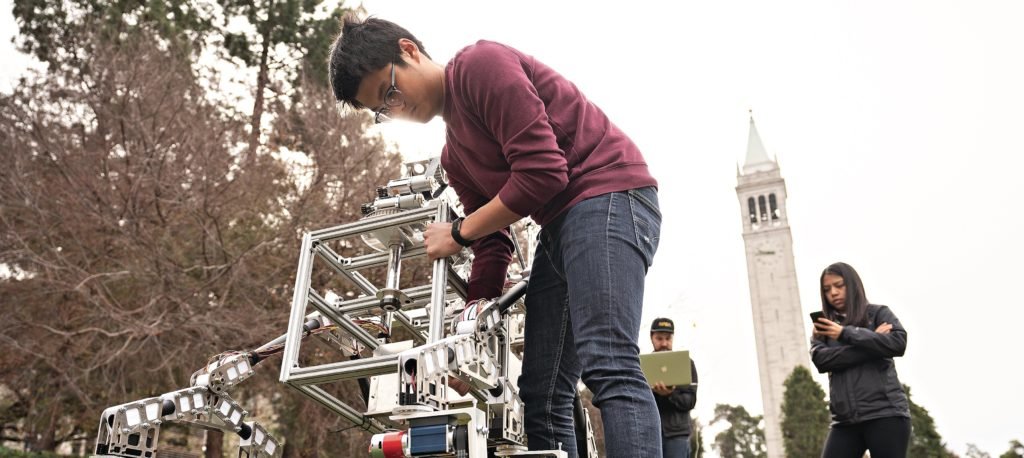
Let’s face it, over the last few years, every day seems to arrive with a new set of unhappy headlines about existential issues.
Berkeley experts lead a new wave of psychedelic research