





A Berkeley engineer tames the seas.
University research has entered uncharted waters before, but perhaps not as literally as Mohammad-Reza Alam’s. If his work is successful, those heading out to sea in future years may worry less about the effects of waves and storms.
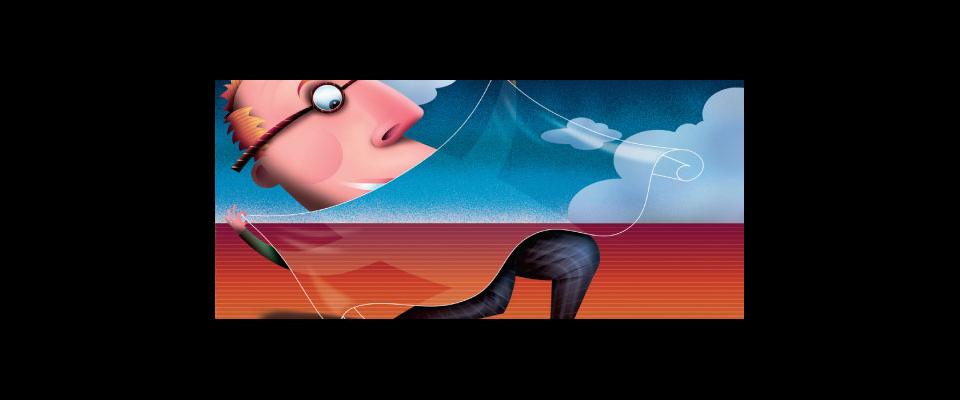
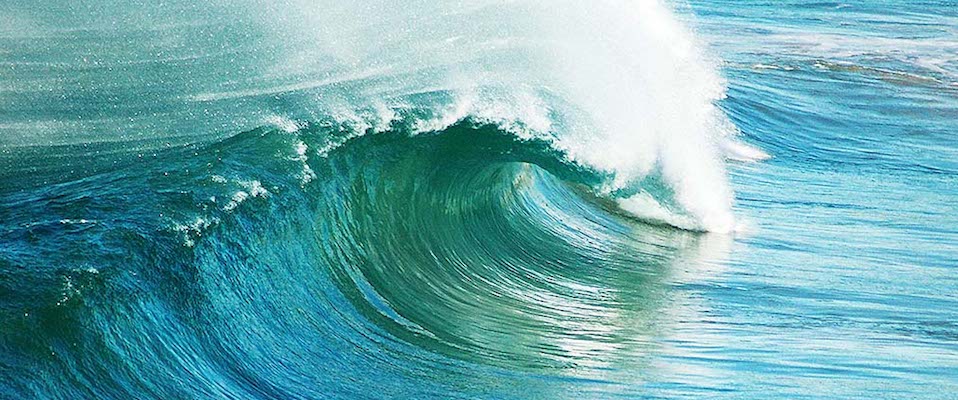
The new assistant mechanical engineering professor discovered a trick of physics that could shield floating objects from waves. By putting ripples on the ocean floor, he found he could transfer the energy of the surface waves deep into the water and create a buffered zone. These “internal” waves would move underneath the floating object and then pop back up to the surface once they pass the rippled bottom. Because the waves don’t touch the object directly, the object won’t disturb the surrounding water—essentially making it, as Alam puts it, “invisible.”
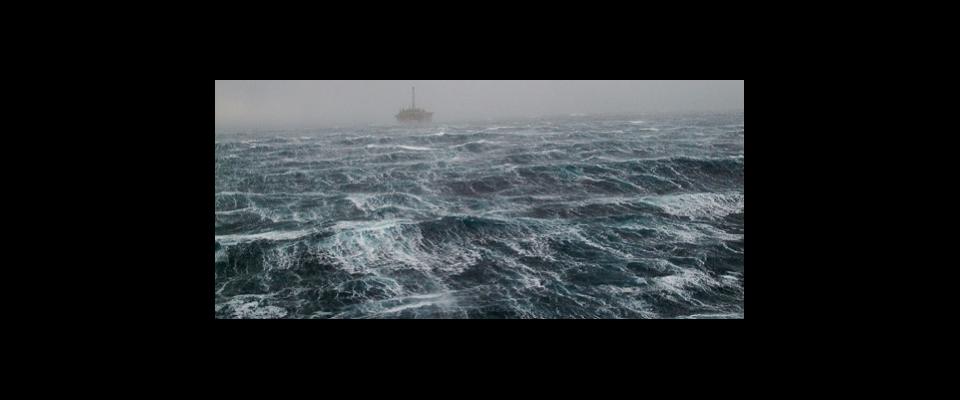
Right now, the research is geared toward protecting stationary devices such as buoys, oil rigs, or shelters for fishermen, from rough seas, rather than rendering the progression of moving objects like ships, invisible. But even a small reduction in the impact of waves could make a big difference for water safety and navigability.
Alam, who has studied the interaction between waves and topography for about five years, said he was inspired by the developments in invisibility at Cal, most recently the engineering department’s advances in bending light to make small objects vanish. “It’s an interesting subject of research,” Alam says. “So I thought, OK, maybe we can do a similar thing but using a different idea in the context of ocean waves.”
This is just the early stage for Alam’s investigation. For now, it’s back to the drawing board to devise more precise calculations (the ocean floor and layers of the water are more unpredictable and nuanced than his previous research accounted for) before experimenting in the lab.
“The last step is to put all these experiences into practical application and try to design a cloaking mechanism out somewhere in the ocean,” says Alam. “But again, this is over a span of probably many years. It depends on funding and many other things.”
Innovations based on this research could be in the ocean as soon as ten years from now.