





What would happen if we raised taxes on the rich? History may hold the answer.
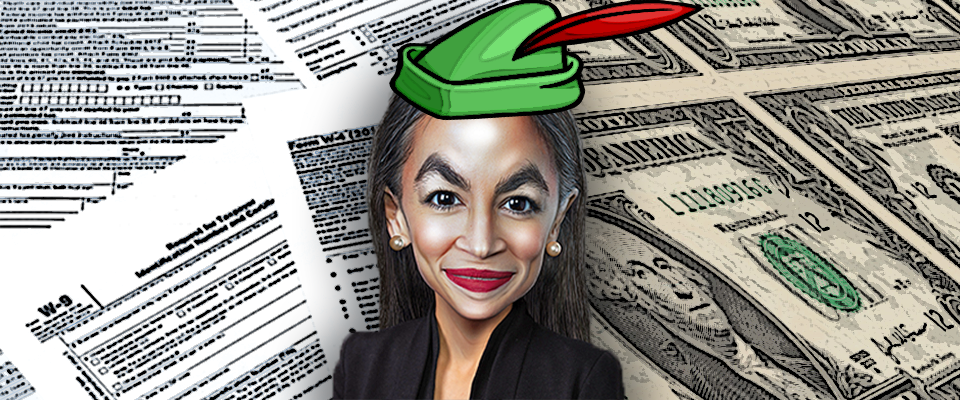
The recent “Occupy” demonstrators protest that the top 1 percent of Americans aren’t paying their fair share. But tax the rich too much and you risk stifling productivity, counter fiscal conservatives. Not true, say Berkeley husband and wife economist team David and Christina Romer: Just look at the U.S. tax system between World War I and World War II (1918–41).
“There’s never been a period like the interwar,” during which time the government so dramatically raised and lowered the marginal tax rate—the percentage of income taxed at each tax bracket—of high-income wealthy Americans. So says Christina, former Chair of the Council of Economic Advisers in the Obama administration and a well-known Keynesian economist.
For example, Calvin Coolidge cut spending while slashing the top marginal tax rate to 24 percent in 1929, from the 77 percent rate in effect just a decade earlier. But by 1940, Franklin D. Roosevelt, needing funds to pay for the New Deal projects and WWII, had jacked the rate up to nearly 87 percent. Despite the opposing tax policies of these administrations, the top two-tenths of 1 percent of top-income earners still paid approximately 95 percent of all income taxes.
After analyzing wealthy Americans’ federal tax filings and investments from that era, the Romers found that the large variability in rates did not have much effect on how the wealthiest Americans invested their money. Although the rich made less money and fewer investments during the period of massive tax increases, it was by a negligible amount, according to the Romers. Drastic cuts also made little difference, they said.
The Romers caution, however, that this research may not be as applicable today. Tax forms back then were shorter and had fewer deductions and loopholes than today. “Maybe this is an indication of not just what the effects of taxes are,” David says, “but also how you should design a tax system.”