






Science & Tech

The Day After Oppenheimer
By Elena CavenderIn late May of 2022, UC Berkeley entered a time machine.

The Edge Episode 23: Cosmology with Sarafina Nance
Berkeley astrophysicist Sarafina El-Badry Nance, has dedicated her life to studying really big exploding stars and what they tell us about our ever-expanding universe. She joins us this episode to talk about her own path to star-gazing and the big, existential questions that keep her eyes to the sky.
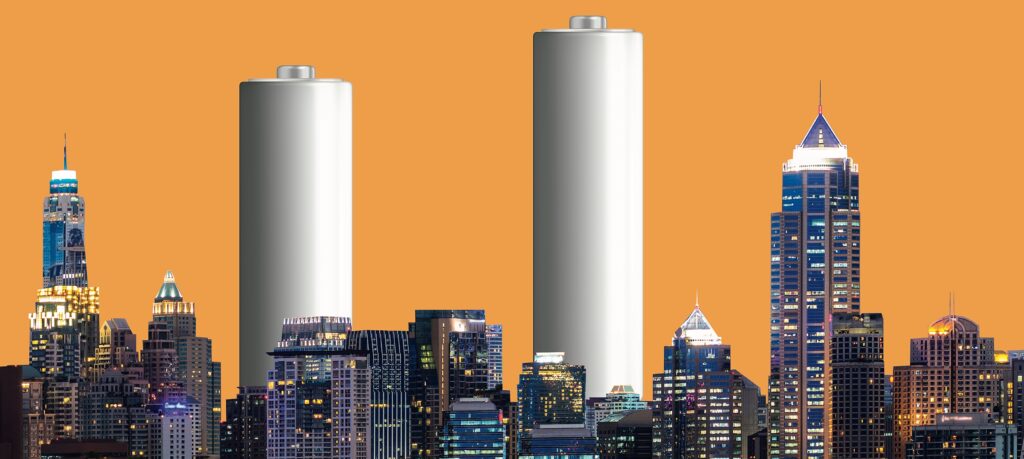
Climate Change is an Energy Problem. Here’s How We Solve It.
By Glen MartinPreventing environmental collapse won’t be easy, but we can still squeeze through the bottleneck.
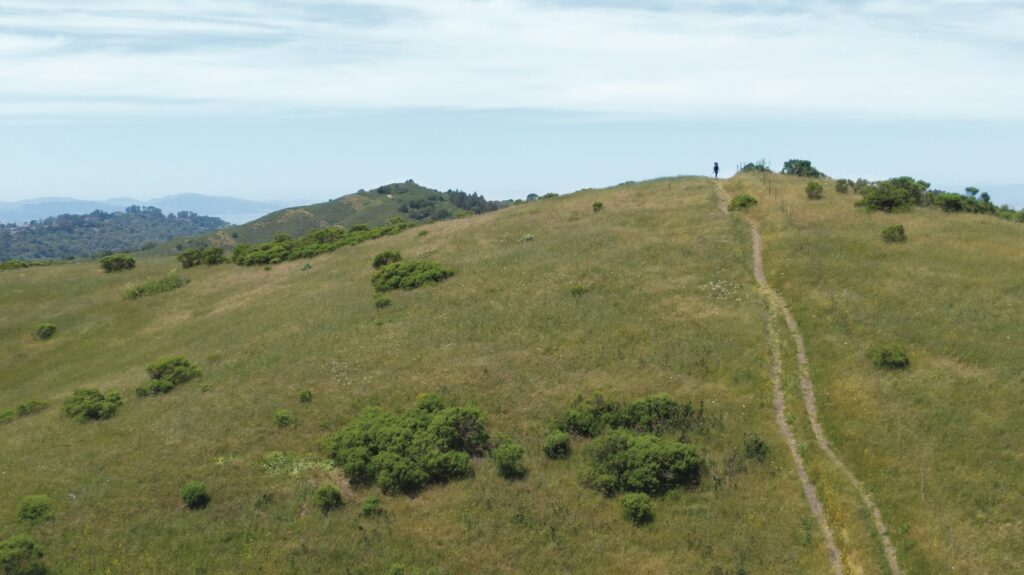
Regional Parks Provide Refuge and Recreation
By Margie CullenPreparing to head out from the popular Skyline Gate Staging Area in Redwood Regional Park, a hiker is presented with a number of options.

Dacher Keltner is Awe-Inspired, and You Should Be Too
By Laura SmithWhat Dacher Keltner teaches isn’t likely to land you a job on Wall Street or even make you more hireable, but that’s not really the point.
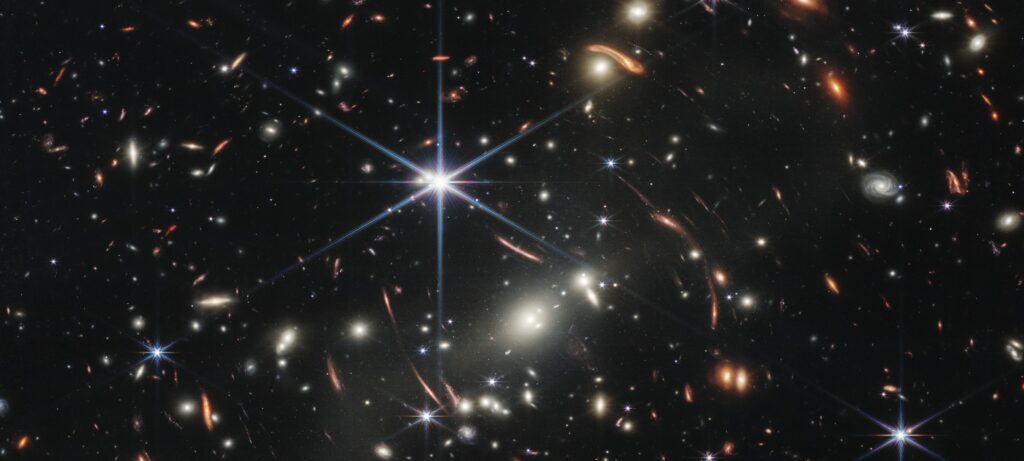
Berkeley’s Alum of the Year is a Steady Hand in Guiding the Webb Space Telescope
By Susan KarlinTwo months before NASA unveiled the first images from the James Webb Space Telescope to the world last summer, some 50 astronomers and engineers anxiously gathered in the mission’s control room at the Space Telescope Science Institute in Baltimore for the moment of truth.

Despite What You’ve Heard, Sadder Isn’t Wiser
By Leah WorthingtonThere’s a pervasive idea in psychology that depressed people are better judges of reality.
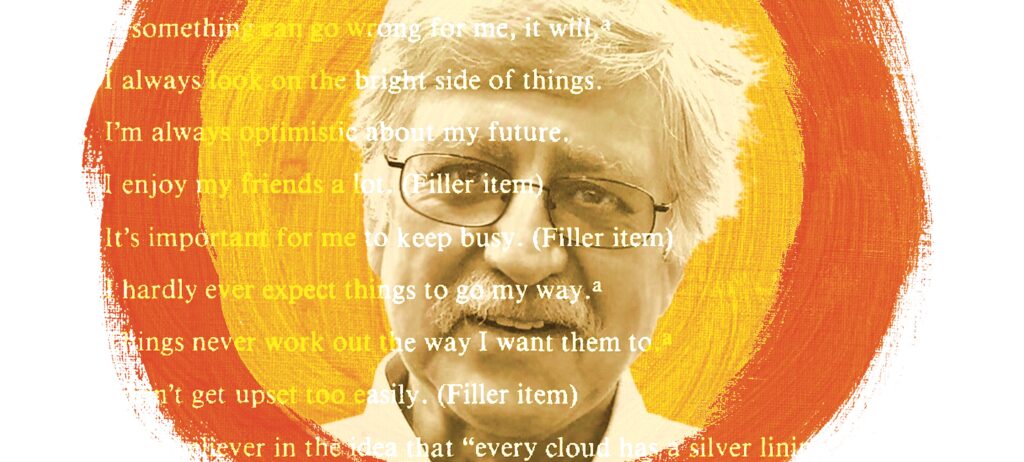
Don’t Curb Your Enthusiasm
By Leah WorthingtonFor the better part of the last 40-plus years, Cal alum and Carnegie Mellon psychology professor Michael Scheier has been thinking about optimism—what it is, where it comes from, and why it matters.

UC Berkeley Goes All-Electric As Part of Ambitious Clean Energy Campus Plan
By Pat JosephSteam rises from the squat gray building next to Cal’s baseball diamond, the billows white against the blue sky. Long a familiar presence, the vaporous plume will disappear in the not-too-distant future, as the power plant that creates it is retired.
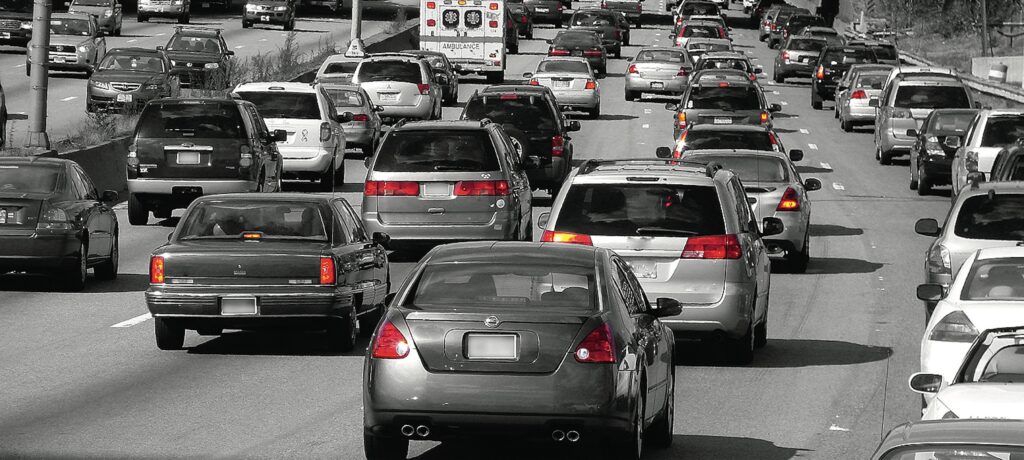
A New EPA Rule Targets Tailpipe Emissions
By Leah WorthingtonTen days before Earth Day, on April 12, the Biden administration announced plans to significantly curtail vehicular emissions through unprecedented regulations that, if finalized, would mark a turning point in the electrification of everything from passenger vehicles to big rig trucks.
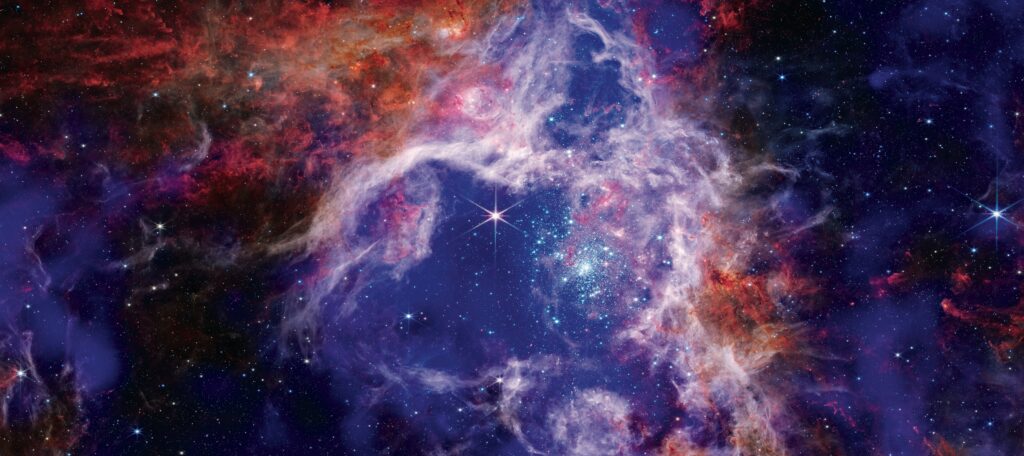
Climate Hope Has a Champion
By Coby McDonaldIn this era of climate crisis there’s plenty of doom and gloom going around.

All In and Zoomed Out
By Geoff KochWhat started as a way for a group of venture capital besties to convene during the COVID lockdown has become a podcast sensation.