




Science & Tech
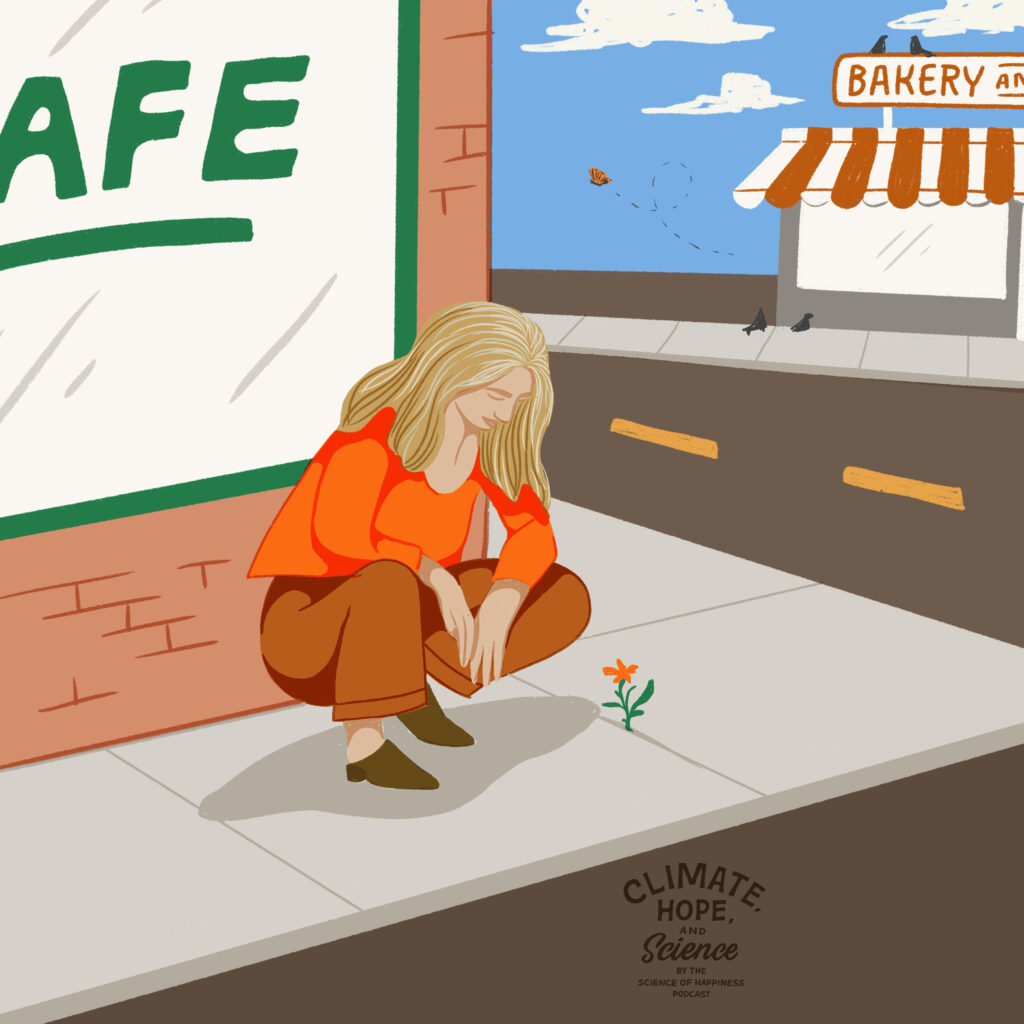
The Edge Episode 22: The Edge Presents “Climate, Hope and Science” From the Science of Happiness
This month we’re back with something a little different. In the wake of this year’s historic floods, wildfires, and hurricanes, we asked ourselves: What would it look like to take a more optimistic attitude towards slowing climate change?

Scaling the Climate Crisis
By Margie CullenMolly Kawahata lives in Bozeman, Montana, so that she can climb frozen waterfalls in the frigid Rocky Mountain winters.

Berkeley’s High Flying Falcons Rebounded From the Brink
By Margie CullenIf you look up at the Campanile these days, you may just spot one of Berkeley’s celebrated peregrine falcons diving from its heights.

The Science of Love
By Margie CullenTo help us get a handle on the subject in time for Valentine’s Day, we turned to Simon-Thomas for answers on questions about the biological basis for love, the different kinds of human love, and unconventional arrangements like polyamory.

The Edge Episode 21: Abolish Race (in Medicine)!
For centuries, doctors have medically treated people differently according to their race because they believed that race is biological. But in the last few years, medical professionals and activists have argued that this is both wrongheaded and can be dangerous to people’s health. In this episode, we talk to Stephen Richmond, a primary care physician and assistant professor at Stanford about the movement to abolish race from medicine and how race and biology do and do not intersect.
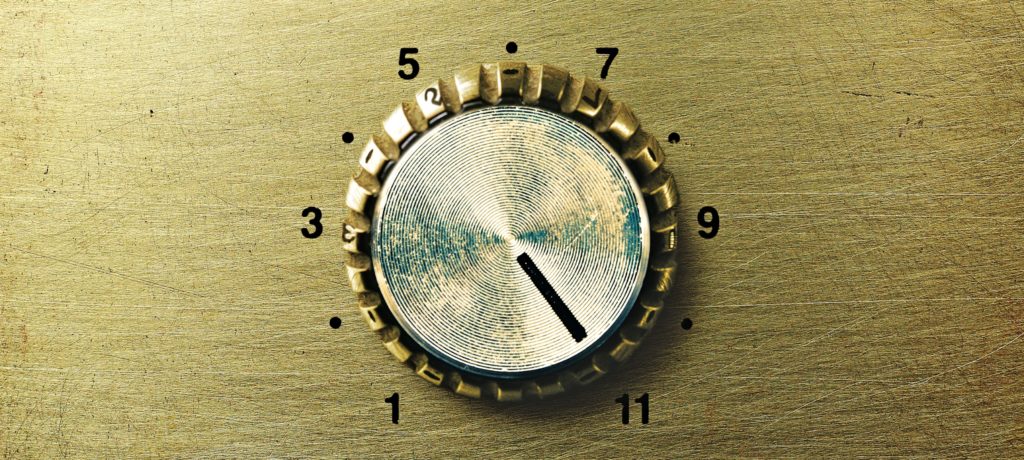
11 Things You’ll Never Believe Came Out of Berkeley!
By Pat JosephYeah, okay, you’ll probably believe some of it. Still, we think it’s a fun list.

A White House Correspondent, A Vet, and Cal’s Mic Men
By Martin SnappColumnist Martin Snapp shares alumni’s stories.

Did You Know Saturn’s Rings are New?
By Margie CullenIn middle school science class, the planets were all reduced to their most obvious characteristic. Mercury is the smallest planet, Jupiter the biggest. Uranus is the funny one. And Saturn is the one with rings.
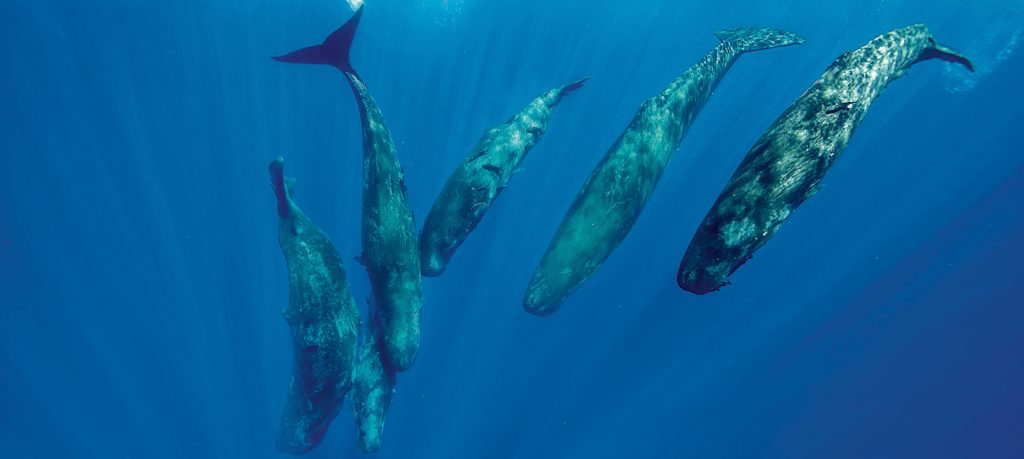
How To Speak Sperm Whale
By Madeline Taub, M.J. ’23Learning a new language is hard, especially when no human speaks it.
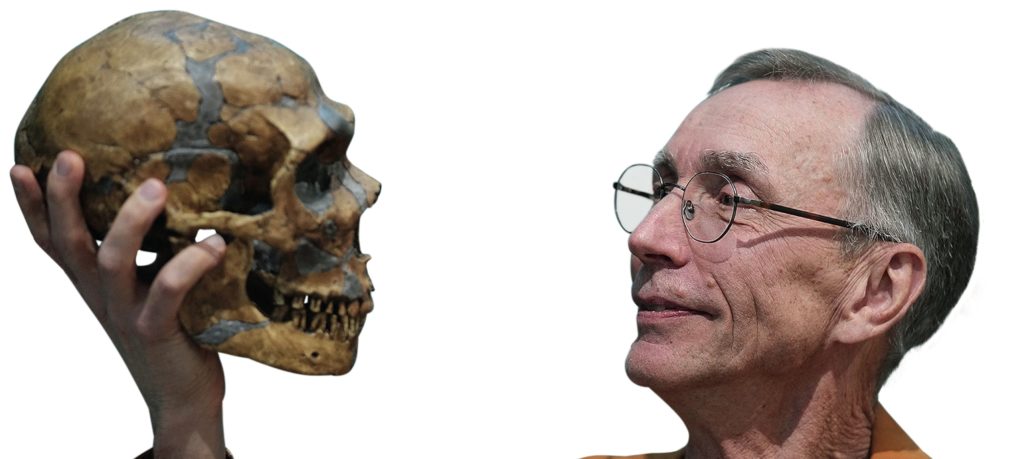
Nobel Season Brings Halloween Hat Trick
By Margie CullenEvery year, October brings two things: Halloween and Nobel Week. This year, the Berkeley laureates (yes, multiple!) seemed to combine the two.
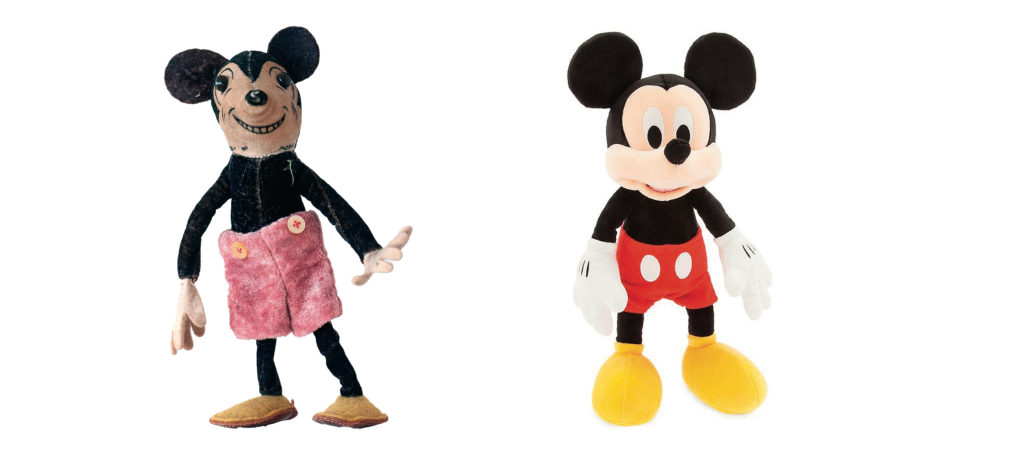
Did Mice Reveal the Fountain of Youth?
By David YeAn experiment conducted by the lab of Berkeley bioengineering professor Irina Conboy showed that a single transfusion of blood from older mice to younger mice triggered cellular senescence in the younger animals.
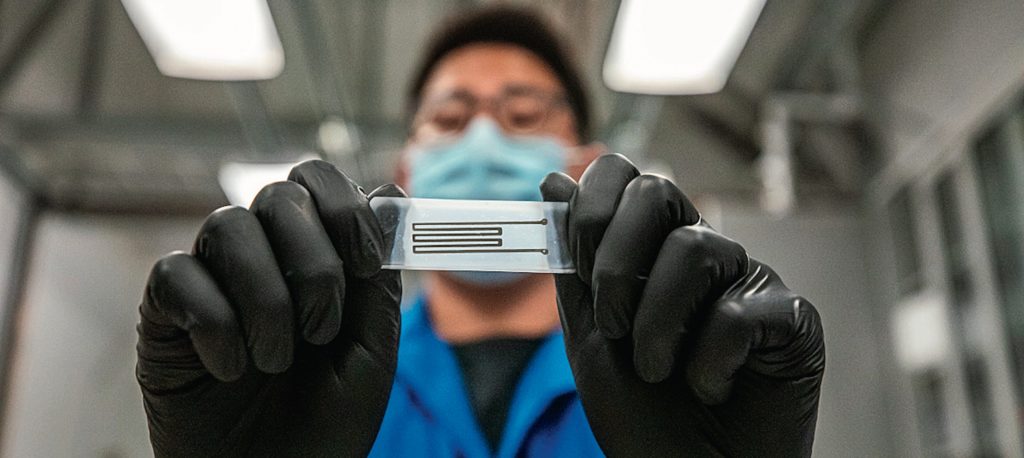
Berkeley Lab Researchers Design Biodegradable and Recyclable Circuits
By Lizeth De La LuzIn response to the world’s growing e-waste burden, Berkeley Lab researchers have created a printed electronic circuit that is both recyclable and biodegradable.